
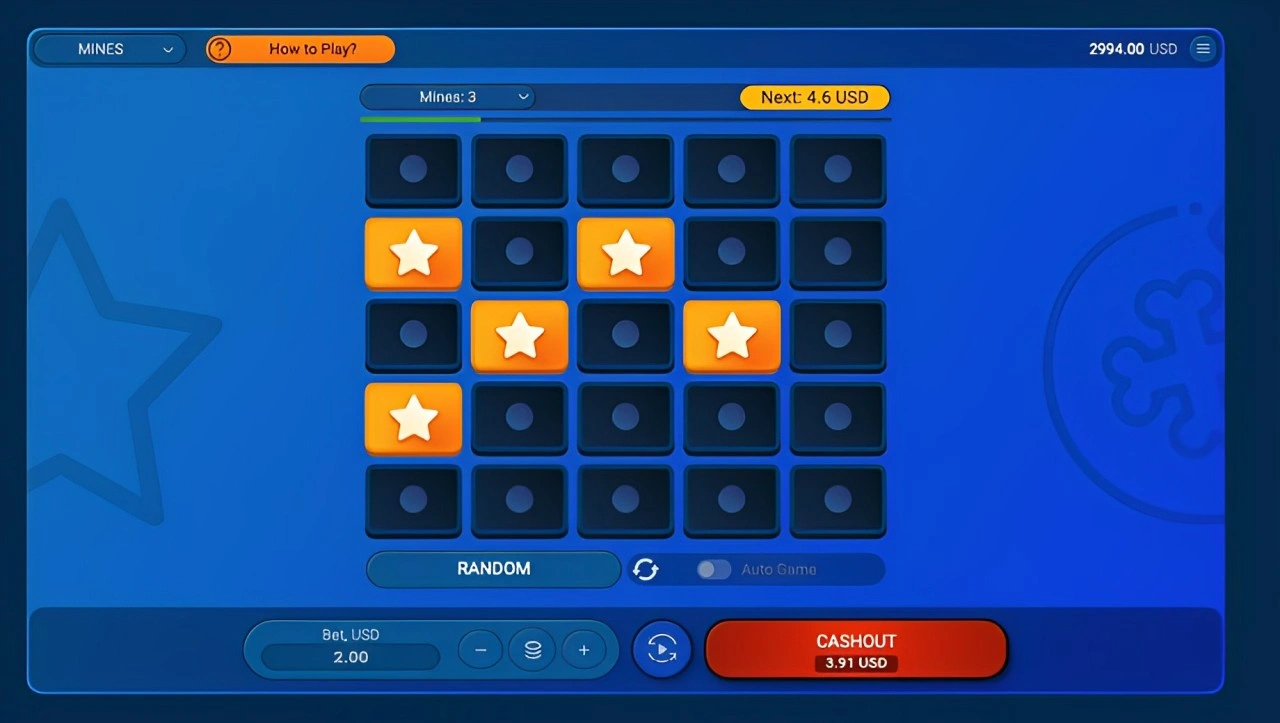
When analyzing the Ethical Mining Simulation in the United Kingdom, you’ll find that a organized evaluation methodology proves crucial. This strategy not only uncovers the game’s advantages and limitations but also offers perspectives into player interaction and educational results. By investigating various metrics and participant views, you can uncover valuable lessons. But what do these findings really indicate for the outlook of environmentally responsible mining practices? The solution may amaze you.
Key Takeaways
- Relative evaluation within the Fair Mines Game can identify the efficacy of different approaches in aligning revenue with ethical factors.
- Analyzing participant comments through mixed-methods can uncover understanding on user experience, boosting engagement across varied populations in the UK.
- Using narrative and forecasting assessment aids monitor performance metrics, facilitating informed assessments of game results and sustainability consequences.
- Partnering with participants, including societal bodies, enhances the game’s importance by integrating various views on mining sustainability.
- Watching techniques during gameplay provide real-time data essential for comparing player choices methods and their consequences on ecological and public good.
Overview of the Fair Mines Game
In the Fair Mines Game, gamers enter a environment where tactical choices meets asset control. You take on the function of a resource director, harmonizing the removal of resources with ethical factors.
As you navigate the game’s obstacles, you’ll encounter predicaments like sustainability consequence and public good. Each option impacts not just your points, but the welfare of the nearby habitat and community members.
You’ll formulate strategies to optimize resource extraction while maintaining sustainability. By overseeing finances and resources, you’ll witness how each decision’s consequences extend outwards.
The game’s immersive mechanics encourage you to think critically about your role in mining, all while vying against others to become the leading mining manager. Enjoy the thrill of balancing profit and ethics!
Methodological Framework for Analysis
To efficiently analyze the Fair Mines Game, you’ll need a solid methodological framework.
This includes outlining your research design, selecting appropriate data collection techniques, and utilizing analytical methods that fit your objectives.
Let’s explore these components to guarantee a thorough examination of the game’s impact.
Research Design Overview
While creating a solid research design is vital for successful game analysis in the UK, it’s essential to choose a methodological framework that matches with your objectives.
To ensure a well-structured approach, think about these key components:
- Purpose
- Scope
- Approach
Data Collection Techniques
Expanding on your research design, selecting the right data collection techniques can greatly enhance your game analysis. You might contemplate a mixed-methods approach, combining qualitative and quantitative data.
Questionnaires can gauge player contentment and involvement levels, while watchful techniques allow you to capture game mechanics dynamics in live. Additionally, discussion panels can provide in-depth insights into player experiences and preferences.
Don’t overlook the potential of digital analytics; tracking within-game metrics will yield valuable data on gamer behavior. Keep your objectives in mind as you choose techniques, ensuring they align with your evaluation objectives.
Collecting diverse data types can enrich your findings, leading to a more comprehensive understanding of the game’s impact and performance within the UK context.
Analytical Methods Employed
Understanding the analytical methods you choose can greatly shape the insights you gain from your game analysis. By employing a planned approach, you can uncover important patterns and trends.
Here are three analysis methods to consider:
- Descriptive Analysis
- Predictive Analysis
- Comparative Analysis
Using these methods efficiently will enhance your game analysis and lead to more informed decisions.
Key Metrics Used in Evaluation
When evaluating game performance in the UK, several key metrics come into play that help you gauge success.
Gamer engagement rates are crucial, mines game, as they reflect how much time users invest in the game. You should also consider win/loss ratios, which indicate the balance and rivalry of gameplay.
Another important measure is user retention, showing how well the game keeps players returning after their initial play. Additionally, average session length gives understanding into how immersive and enjoyable your game is.
Revenue per user or in-game purchases can reveal profitability. Lastly, social media engagement metrics, like shares and likes, highlight community engagement and outreach.
Stakeholder Engagement in the Game
In the gaming industry, engaging diverse stakeholders is crucial for success.
You’ll want to explore the various communication strategies that foster collaboration and feedback. Understanding these elements can improve your approach to stakeholder management in game development.
Diverse Stakeholder Involvement
While the landscape of game development in the UK is complex, engaging different stakeholders is crucial for creating a successful and inclusive experience. This involvement not only improves the game design but also cultivates a sense of community.
To effectively include stakeholders, consider the following:
- Players – Gather feedback from a broad range of players to understand their experiences and preferences.
- Industry Experts – Collaborate with developers, designers, and educators to leverage their expertise in game mechanics and storytelling.
- Community Organizations – Partner with local groups to ensure your game mirrors diverse perspectives and reaches underserved populations.
Communication Strategies Employed
Successful stakeholder engagement relies on effective communication strategies that promote collaboration and understanding among all parties involved. You’ll find that establishing clear channels for information flow is vital; whether through regular meetings, updates, or digital platforms, transparency is key.
Actively hearing stakeholder worries and feedback helps you adapt approaches accordingly, making sure everyone feel heard. Using visuals and engaging materials further boosts engagement and understanding.
It’s also crucial to tailor your interaction style to suit various groups, making the information more relevant and accessible. Building confidence through reliable, truthful communication paves the way for cooperative relationships.
In the end, adopting a proactive approach in tackling issues fosters a positive environment, promoting teamwork and enhancing the general efficacy of stakeholder involvement in the game.
Comparative Analysis of Mining Practices
When evaluating mining methods across various areas, it’s important to consider both ecological effects and financial feasibility.
Mining isn’t just about extracting resources; it also affects local communities and environments. Here are 3 important factors to compare:
- Resource Management
- Regulatory Compliance
- Local Engagement
Impact Assessment on Sustainable Mining
Mining methods not only influence local economic conditions but also are crucial in determining ecological results, rendering evaluations on eco-friendly mining more important.
By examining the effects of extraction on atmospheric conditions, water supplies, and biological diversity, you can identify potential risks and benefits.
It’s essential to assess how environmentally friendly mining methods can mitigate adverse consequences while aiding local communities. Participant involvement during this assessment makes certain that diverse perspectives are considered, producing more balanced outcomes.
Furthermore, you’ll want to track key effectiveness indicators over time to evaluate development.
Lessons Learned From Game Execution
Incorporating games in instructional or development contexts uncovers valuable teachings that can enhance future projects. Here are three key lessons you can implement:
- Engagement is Vital
- Feedback Loops Are Crucial
- Diverse Learning Styles
Future Trends for Mining Sustainable Practices
As the need for eco-friendly methods increases, investigating cutting-edge solutions in the mining field becomes essential. You should explore advancements like autonomous drones and AI for monitoring natural effects, enhancing operations, and decreasing supply waste.
Embracing closed-loop concepts can also change how you manage supply utilization. Concentrate on reusing substances and reusing by-products to minimize the green impact.
Robust collaborations with local communities can foster environmentally friendly growth, making certain that benefits are allocated justly.
Lastly, stay updated on regulations and best methods, as this will help you navigate the changing landscape of mining sustainability.
Frequently Asked Questions
How Was the Fair Mines Game Developed?
The fair mines game was developed through collaboration among game designers and industry experts. They aimed to create an engaging educational tool that educates players about mining practices, promoting fairness and sustainability in resource extraction.
Who Can Participate in the Fair Mines Game?
Anyone involved in mining education can participate in the fair mines game. It’s designed for players of all ages, so whether you’re a beginner or seasoned, you’ll find it captivating and educational.
What Are the Main Challenges Faced During Implementation?
You’ll face challenges like obtaining funding, coordinating stakeholders, and ensuring fair practices. Additionally, tackling regulatory compliance and managing participant expectations can be challenging, making it crucial to develop a comprehensive strategy for effective implementation.
Can the Game Be Adapted for Other Industries?
Yes, you can adapt the game for other industries. By modifying the scenarios and principles to fit specific sector needs, you’ll foster engagement and learning, making it relevant and beneficial for diverse fields.
What Resources Are Available for Further Learning?
You’ll find various resources like online courses, industry reports, forums, podcasts, and webinars. Websites such as Coursera, LinkedIn Learning, and industry-specific associations offer useful insights. Don’t forget to explore books and articles for deeper knowledge!
Conclusion
In summary, the analytical analysis of the Fair Mines Game uncovers important insights into its dynamics and participant involvement. By analyzing critical metrics and interested party participation, you can determine areas for enhancement that enhance learning outcomes. The lessons acquired from this game not only inform better development but also contribute to the broader dialogue on sustainable mining techniques. In the future, these conclusions can steer upcoming initiatives, guaranteeing a more involved and informed community around mining sustainability.